
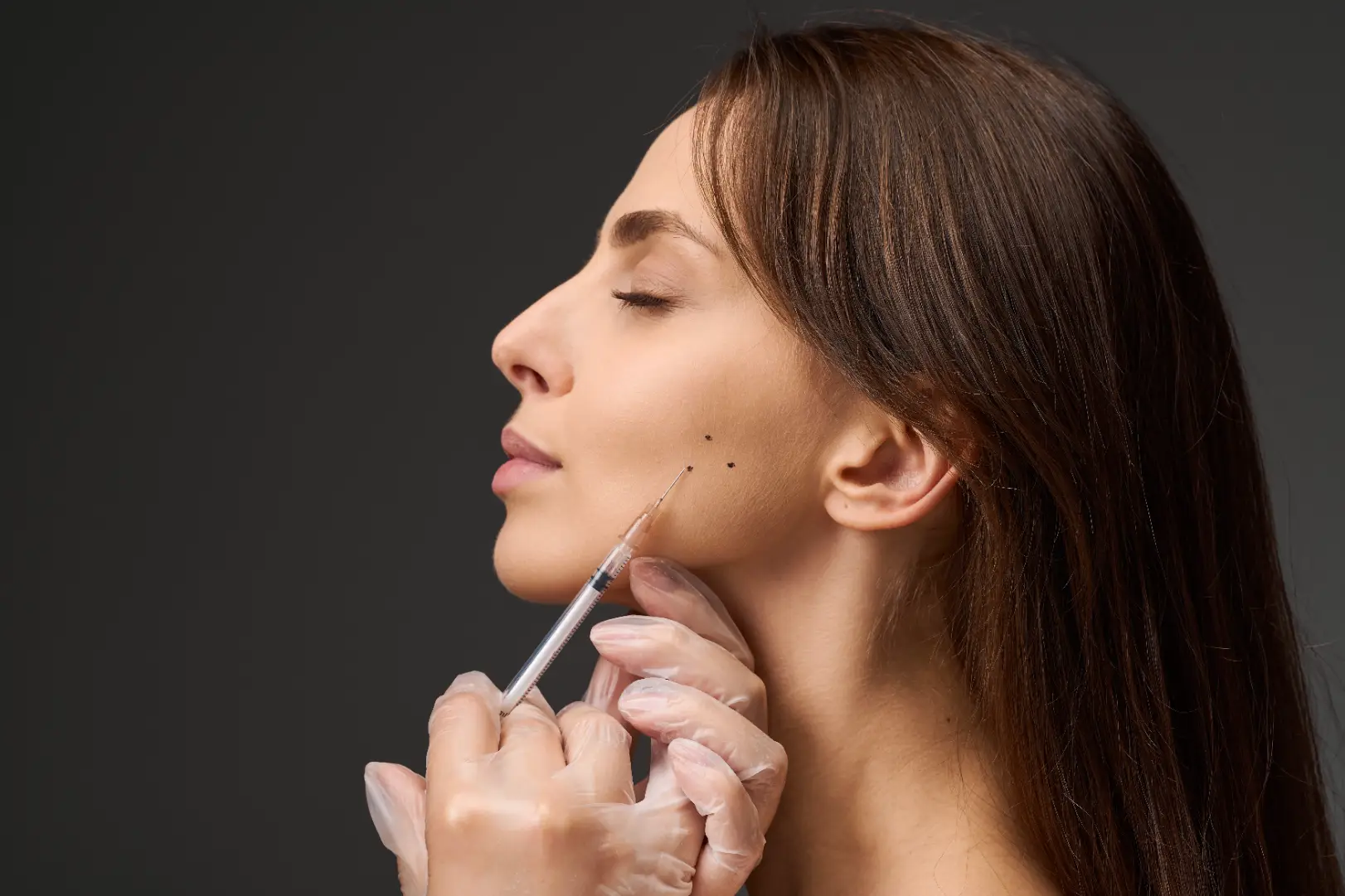
Some people do not realize how much work their jaw is doing until it starts complaining. You may wake with tired facial muscles, notice yourself clenching while answering emails, or hear from your dentist that your teeth show signs of grinding. What feels like a small nighttime habit can place repeated stress on the jaw muscles and teeth.
For appropriate patients, Botox offers another way to approach that muscle activity. When carefully injected into overactive jaw muscles, Botox can temporarily reduce their ability to contract as forcefully.
That makes it particularly interesting from a dental perspective, where function, bite, muscle activity, and facial anatomy all come together. For A New You also bridges these two worlds through a clinician whose background includes dentistry, full-mouth rehabilitation, and facial aesthetics.
Keep reading to learn how Botox may fit into a broader conversation about jaw tension, clenching, and teeth grinding.
What Is Botox?
Botox is a prescription neuromodulator made from botulinum toxin type A. It works by temporarily blocking signals between nerves and targeted muscles, reducing the muscle contractions responsible for its effects.
Most people know Botox as an aesthetic treatment for expression lines. For A New You offers Botox among its injectable treatments and uses neuromodulators as part of its broader facial aesthetics services.
However, botulinum toxin also has therapeutic applications. When appropriately placed into selected muscles involved in jaw clenching, the same muscle-relaxing mechanism can be used to reduce excessive muscle activity.
This is where Botox for bruxism becomes relevant. Bruxism refers to grinding or clenching the teeth, which can happen during sleep or while awake. Treatment may focus on muscles such as the masseter, one of the powerful muscles involved in closing the jaw.
It is important to distinguish this use from Botox’s FDA-approved cosmetic indications. Injecting Botox specifically to manage bruxism or many TMD-related symptoms is generally an off-label use. Off-label treatment can be medically appropriate, but patients should understand the distinction and discuss the potential benefits, limitations, and risks with a qualified provider.
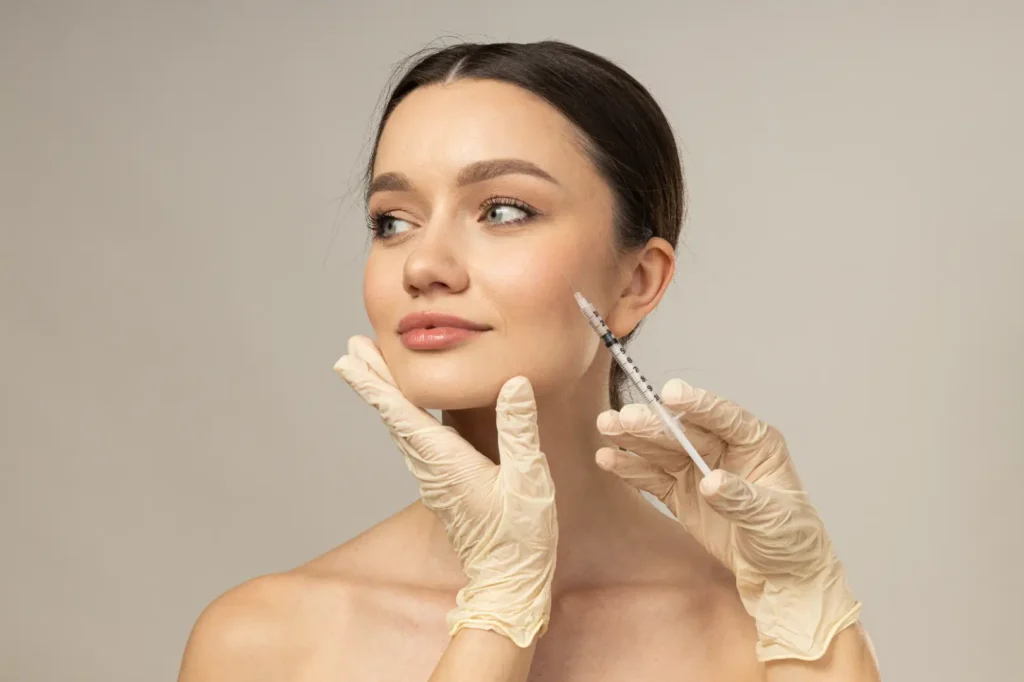
How Botox Can Help Jaw Tension and Teeth Grinding
Teeth grinding is more complicated than simply having “strong jaw muscles.” A dental perspective considers the teeth, joints, muscles, bite, habits, and symptoms together before deciding where Botox might fit.
1. It Calms an Overactive Masseter
The masseter is one of the major muscles involved in chewing and closing the jaw. Place your fingers along the back portion of your cheeks and clench your teeth, and you can often feel these muscles contract.
For people who chronically clench, the masseters may spend far more time working than necessary. This repeated activity can contribute to fatigue, tightness, tenderness, and a feeling that the jaw never completely relaxes.
Masseter Botox is injected into selected portions of this muscle to temporarily reduce its contraction strength. The goal for bruxism is not to paralyze the jaw or prevent normal chewing. Treatment is intended to reduce excessive activity while preserving everyday function.
This distinction matters. A successful treatment is not measured by whether the muscle stops working. It is about finding an appropriate balance between normal function and unwanted clenching force.
2. It Can Reduce Clenching Force
Grinding and clenching can place considerable pressure on the teeth and surrounding structures. The more forcefully the jaw muscles contract, the more load they can generate.
That is one reason Botox for jaw clenching may be considered. By weakening selected overactive muscles temporarily, treatment may reduce the intensity of clenching. Some patients notice the difference during the day. They may realize that their jaw no longer feels as tightly held while driving, working, concentrating, or dealing with stress.
For nighttime grinders, the situation is more complicated because sleep bruxism has multiple contributing factors. Botox does not necessarily eliminate the underlying reason someone grinds during sleep. Instead, reducing muscle strength may lessen some of the muscular force associated with the behavior.
This makes Botox one possible component of treatment rather than a universal cure for grinding.
3. It May Ease Muscular Jaw Tension
A tight jaw does not always mean there is something wrong with the jaw joint itself. Sometimes the discomfort is heavily muscular. Repeated clenching can leave the masseter and other chewing muscles feeling tired or sore. Some patients describe waking with a heavy jaw, while others notice tightness becoming worse toward the end of the day.
By decreasing excessive contraction in targeted muscles, Botox for jaw tension may help appropriate patients experience less muscular tightness. The key word is muscular.
Jaw discomfort can arise from many sources, including dental disease, joint disorders, injury, bite-related issues, and other medical conditions. Treating every case of jaw pain with Botox would overlook those possibilities.
A dental evaluation can therefore be valuable. It helps determine whether overactive muscles appear to be contributing to the symptoms or whether another problem deserves attention first.
4. A Dentist Sees More Than the Jawline
The dentist crossover becomes particularly useful here. Dentists spend their careers evaluating how teeth, muscles, joints, and the bite work together. For A New You has a direct connection between these disciplines. Its medical director is a Tufts University School of Dental Medicine graduate with a background in restorative and cosmetic dentistry, full-mouth rehabilitation, and facial aesthetics.
The associated dental practice also lists TMJ/TMD treatment with neuromodulators for jaw pain and tension. That perspective matters because Botox for teeth grinding should not begin with an injection. It should begin with understanding the problem.
Are the teeth showing wear? Is the patient clenching during waking hours? Are headaches present? Is there joint clicking or locking? Has the bite changed? Could a dental condition be causing pain?
These questions help put muscle relaxation into context rather than treating one symptom in isolation.
5. Botox Does Not Protect Teeth Like a Night Guard
This is one of the most important distinctions for patients to understand. Botox and an oral appliance do different jobs. A properly prescribed night guard or occlusal appliance creates a physical barrier between the teeth. Depending on the design and diagnosis, it can protect dental surfaces from direct grinding forces and may play a role in managing certain bruxism-related concerns.
Botox does not create that barrier. Instead, it acts on the muscles generating force. This means masseter Botox for teeth grinding should not automatically be viewed as a replacement for dental protection.
Some patients may benefit from a broader strategy that includes an oral appliance alongside management of excessive muscle activity. Others may need a completely different approach. The condition of the teeth matters too. Existing cracks, worn enamel, damaged restorations, or other dental problems need appropriate dental attention regardless of whether Botox is used.
6. TMJ and Bruxism Are Not the Same Thing
The terms TMJ, TMD, grinding, and clenching often get mixed together online. They are related concepts, but they are not interchangeable. The temporomandibular joints, or TMJs, connect the lower jaw to the skull. Temporomandibular disorders, commonly called TMD, include a range of conditions affecting these joints, surrounding muscles, and associated structures.
Bruxism refers specifically to grinding or clenching behavior. Someone can grind without having a significant joint disorder. Another person may have TMD symptoms without grinding. Some patients experience both.
That is why searches for Botox for TMJ need a little context. Botox may help selected patients when excessive muscle activity contributes to TMD-related symptoms, but it cannot correct every cause of jaw-joint pain.
Structural joint problems, arthritis, disc disorders, dental issues, or other conditions may require different management. The treatment should follow the diagnosis, not the search term.
7. Headaches May Have a Muscle Component
Jaw clenching does not always stay confined to the jaw. Overworked chewing muscles can be associated with facial discomfort and may contribute to headaches in some patients. Think about what happens when you unknowingly tense your shoulders all day. Eventually, those muscles become fatigued.
Jaw muscles can behave similarly when clenching becomes habitual. For appropriate patients, reducing excessive jaw-muscle activity may lessen that muscular burden. However, headaches have many possible causes. Migraine, tension-type headache, sinus problems, medication effects, sleep disorders, and other medical conditions can produce head or facial pain.
Botox should therefore not be treated as a generic headache solution simply because someone also clenches their teeth. If headaches are frequent, severe, new, or changing, appropriate medical evaluation remains important.
8. The Jawline May Change Too
There is an interesting overlap between function and aesthetics with masseter treatment. A chronically overactive masseter can become enlarged, a process known as hypertrophy. When Botox reduces repeated muscle activity, the masseter may gradually become smaller in some patients. This can create a slimmer or less square-looking lower face.
For some people, that aesthetic change is welcome. For others, it is not the reason they sought treatment at all. Discussing it beforehand matters. Facial proportions are highly individual. A patient with a naturally narrow or less supported lower face may not want significant masseter reduction. Age-related skin laxity can also influence how a slimmer jaw area looks.
This is where experience in both facial aesthetics and dental anatomy can be useful. The objective is not simply to weaken a muscle. It is to consider how changing that muscle may affect function and facial balance.
Give Your Jaw a Different Kind of Break
Living with a constantly tight jaw can become so normal that you forget what relaxed muscles feel like. For appropriate patients, Botox can reduce excessive masseter activity and become one part of a thoughtful approach to jaw tension, clenching, and teeth grinding.
At For A New You in Holliston, MA, the connection between dentistry and facial aesthetics offers a particularly relevant perspective on this treatment. Rather than viewing the jaw only through a cosmetic lens, treatment can consider muscle function, dental health, facial balance, and the patient’s individual symptoms. Sometimes giving an overworked jaw less force to work with can be an important part of helping it feel more comfortable.
Call us today to schedule your appointment!