
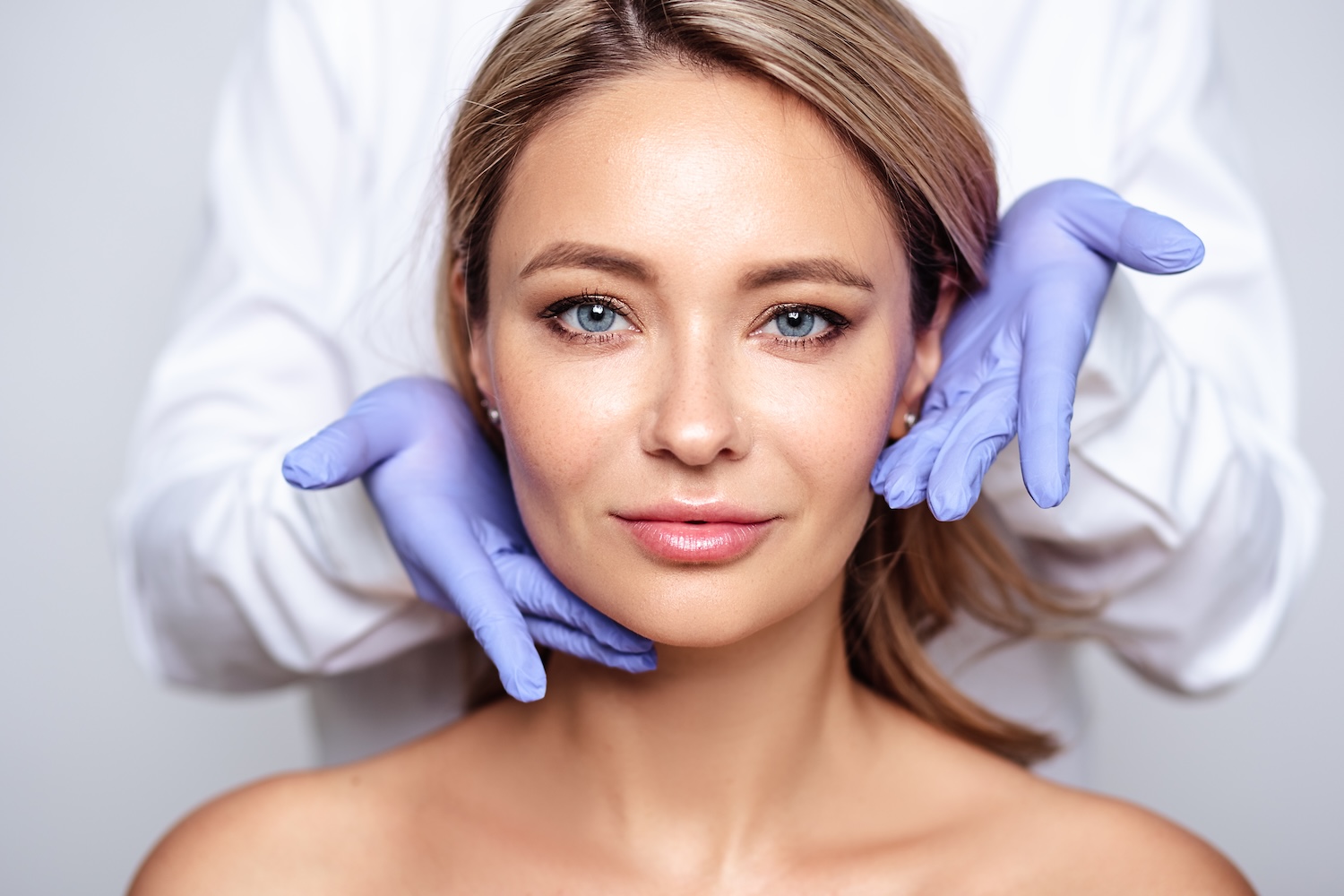
Botox in 2026 focuses on microdosing, personalized dosing, and subtle rejuvenation across the entire face. Patients now seek more than wrinkle smoothing; they expect preventative aging strategies and naturally expressive outcomes. At For A New You Medspa in Holliston, advanced techniques center around precision placement, soft tissue balance, and neuromodulator options like Daxxify, Xeomin, and Letybo.
These shifts reflect a broader industry trend: using Botox as part of long-term facial wellness, not temporary correction. Whether smoothing forehead lines or maintaining early youthfulness, 2026 emphasizes customization over correction.
How Does Microdosing Botox Preserve Expression?
Microdosing Botox relaxes dynamic lines without limiting natural movement. Providers inject smaller units across more targeted zones, softening crow’s feet, forehead lines, and glabellar creases with refined accuracy. The result is smoother skin with preserved emotion and lift.
At For A New You Medspa, Baby Botox treatments focus on early intervention. Patients in their 30s benefit from this approach, reducing future wrinkle depth while maintaining full facial expression. Microdosing also appeals to those new to neuromodulators, easing into treatment with a lower risk of overtreatment.
Microdroplet placement enhances overall facial harmony, especially when combined with balanced filler support for the midface or lips. This shift aligns with the clinic’s core philosophy: restore what’s lost, refine what remains.
Why Are Preventative Botox Treatments Rising in Patients Under 35?
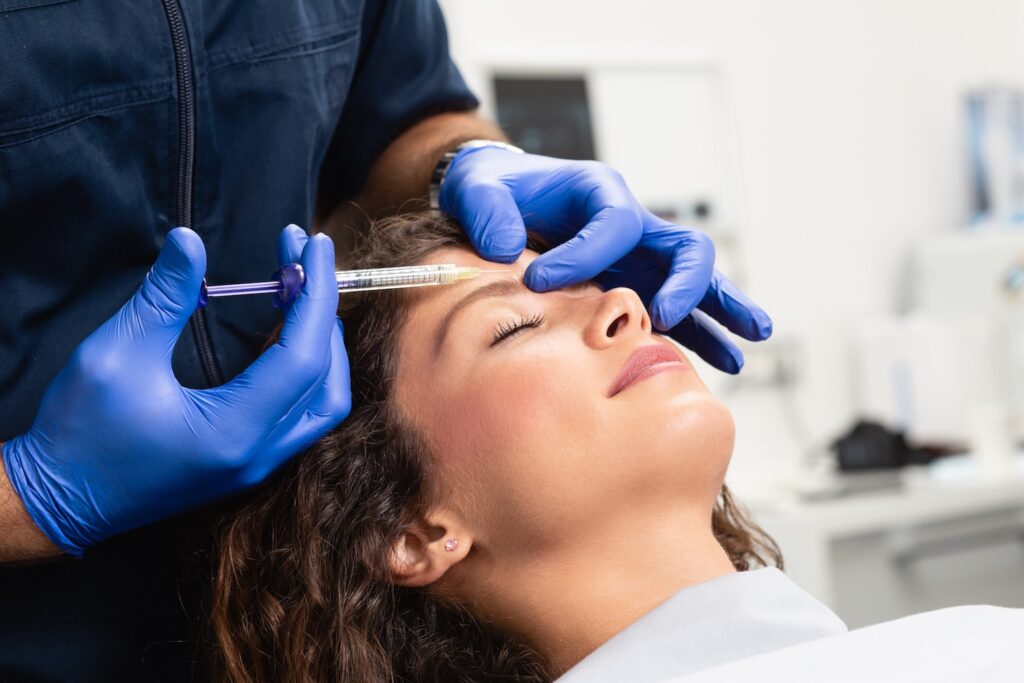
Preventative Botox delays the onset of etched-in lines by treating repetitive muscle movements early. In 2026, more patients will begin using wrinkle relaxers in their late 20s or early 30s, addressing forehead creases and frown lines before they deepen.
This strategy supports collagen preservation and prevents dermal folding over time. It’s especially effective in high-movement areas like the glabella (the “11s”) or upper forehead. For first-time patients in the MetroWest area, For A New You Medspa offers conservative, education-based consultations to map out long-term facial planning.
Preventative care also means fewer units and less frequent visits, ideal for patients seeking low-maintenance aging support. It reflects a shift in aesthetic goals from reactive to proactive.
Which Wrinkle Relaxers Last Longest in 2026?
Daxxify offers up to 6 months of wrinkle reduction, exceeding the 3–4 month average of traditional Botox. This peptide-stabilized formulation binds more durably to nerve endings, prolonging the muscle relaxation effect.
At For A New You Medspa, Daxxify is often recommended for patients with tight schedules or those preferring fewer visits per year. While Botox remains a gold-standard choice for dynamic areas, Daxxify provides extended value for high-movement zones like the forehead and crow’s feet.
Letybo and Xeomin are also part of the 2026 neurotoxin landscape, offering smooth finishes and fewer accessory proteins. Each option is selected based on patient anatomy, goals, and prior treatment response. Our approach emphasizes match-over-marketing: choosing the formulation that best suits the patient, not the trend.
What Areas Respond Best to Botox in 2026?
Forehead lines and glabellar creases remain the most frequently treated zones with Botox in 2026. These dynamic areas, caused by repetitive expressions such as frowning or squinting, respond well to neuromodulators when dosed correctly.
At For A New You Medspa in Holliston, forehead and “11s” treatments focus on expression preservation, not overcorrection. Patients receive customized dosing based on age, muscle strength, and skin elasticity. For early intervention, as few as 8–12 units may be effective. For established lines, a corrective dose of 20–40 units may be advised.
Targeting these areas early reduces long-term dermal breakdown and improves skin smoothness. When paired with collagen support, such as microneedling with PRP, the results are more durable and restorative.
How Does Botox Improve Crow’s Feet Without Freezing the Smile?
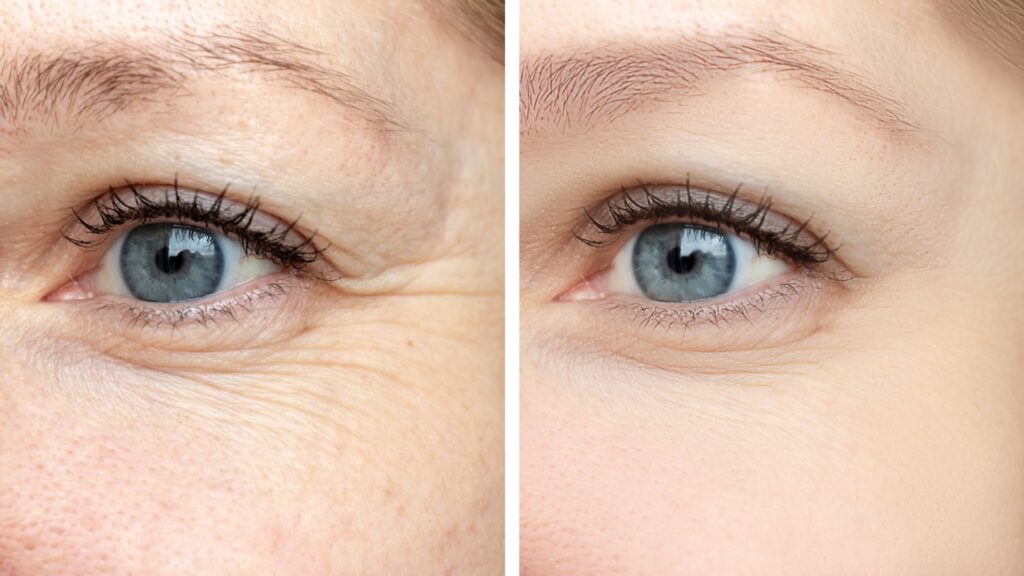
Botox softens crow’s feet by limiting contraction in the orbicularis oculi muscle, reducing the depth of fine lines at the outer corners of the eyes. In 2026, more patients choose combination therapies for this delicate zone, blending Botox with light RHA, Redensity filler to support volume loss and skin texture.
This dual approach protects natural smiling expression while reducing lateral creasing. Patients at For A New You often seek this treatment before events or photos, especially when skin hydration and brightness also need enhancement. Subtle dosing avoids flatness, maintaining eye warmth and lift.
Proper crow’s feet treatment demands skilled hand placement, as overcorrection can disturb cheek animation or under-eye hollowing. Our technique emphasizes soft, elegant refinement over aggressive freezing.
How Is Botox Being Used for Jawline Slimming and Tension in 2026?
Masseter Botox reduces lower face width and eases muscle tension caused by bruxism or jaw clenching. By weakening the masseter muscle over time, the treatment creates a more tapered jawline and improves facial balance.
In 2026, this technique is frequently combined with “trap tox” for patients experiencing upper back or neck tension. Botox, injected into the trapezius muscles, relieves tightness while creating a longer-looking neckline, a popular request for patients seeking posture and contour benefits.
For A New You Medspa includes masseter Botox as part of its full-face rejuvenation philosophy. A strong lower face can overpower other features; relaxing it improves symmetry without surgery. Results develop gradually over 4–6 weeks and last 4–6 months.
How Is Technology Changing Botox Consultations?
AI imaging and ultrasound guidance are elevating Botox, precision in 2026. AI tools analyze facial movement patterns to identify asymmetries, recommend dosing zones, and simulate post-treatment appearance. Ultrasound scanning allows injectors to visualize vascular pathways and depth layers before injecting.
These tools reduce complications, improve symmetry, and help customize treatments down to the unit. At For A New You, Dr. Barbara Preussner integrates these technologies during consultation to ensure that dosing reflects each patient’s anatomy, not a one-size-fits-all protocol.
This tech-forward approach enhances safety and results, especially in complex zones like the lower face or brow line, where even minor misplacement can alter expression. Personalized planning tools represent the future of high-trust facial aesthetics.
What Is Letybo and How Does It Compare to Botox?
Letybo delivers a smooth, refined finish with fewer accessory proteins than traditional Botox, making it a preferred option in 2026 for patients sensitive to additives. Approved in the U.S. for frown lines, Letybo has already seen widespread use in Korea and Europe, where its purity and finish make it a popular choice.
At For A New You Medspa, Letybo is recommended for patients seeking natural, low-resistance outcomes, particularly those who’ve received neurotoxins for years and may benefit from switching formulations. The difference lies in the feel and finish: Letybo offers a gentle onset and soft skin texture with fewer stiff areas post-treatment.
Botox still provides unmatched versatility and longevity for many areas. But Letybo’s formulation adds flexibility for patients prioritizing minimal protein load, especially in expressive areas like the crow’s feet or under-eyes. Patients benefit from having access to both.
How Has Full-Face Botox Rejuvenation Evolved in 2026?
Botox in 2026 supports overall facial balance, not just wrinkle softening. Providers now treat multiple regions in tandem to lift, contour, and refresh the face holistically. This approach considers the structural relationship between upper, mid, and lower facial movement patterns.
At For A New You Medspa, full-face Botox often includes:
- Brow lift with forehead relaxation
- DAO (depressor anguli oris) reduction to ease downturned mouth corners
- Chin dimpling correction
- Jawline refinement with masseter slimming
- Neck bands (platysma) softening for a longer, smoother profile
When paired with subtle filler support, such as Juvederm for midface or PDO threads for jowl lift, this strategy achieves more natural, youthful outcomes than treating isolated lines.
Patients appreciate this cohesive method, which restores soft volume, refines movement, and addresses the full face with minimal downtime.
Ready to Refresh Your Look with the Latest in Botox?
In 2026, Botox is more personalized, precise, and proactive than ever. Whether you’re refining expression with Baby Botox, extending longevity with Daxxify, or sculpting a slimmer jawline, the goal remains the same: to rejuvenate, not alter.
At For A New You Medspa in Holliston, Dr. Barbara Preussner combines clinical expertise with advanced technology to deliver natural, tailored Botox results that evolve with your goals. To explore a treatment plan aligned with these trends, book your consultation today.
Frequently Asked Questions
Can Botox help with facial asymmetry correction?
Yes. Botox can balance uneven facial expressions by selectively relaxing stronger muscles. It’s often used to correct brow height, lip pull, or smile asymmetry for more harmonious facial movement.
How do I know if I’ve developed Botox resistance?
Botox resistance may occur if results fade rapidly or show no effect after a proper dose. Switching to purified options like Xeomin or newer strains like Daxxify can restore efficacy.
What should I avoid doing right after Botox treatment?
Avoid lying down, exercising, or applying pressure to the treated area for at least 4 hours. These actions can affect Botox placement and reduce the treatment’s precision and longevity.
Is Botox effective for skin texture or pore size?
While Botox doesn’t treat pores directly, microdosing in superficial layers, known as “skin Botox”, can improve smoothness, oil control, and texture when combined with medical-grade skincare or microneedling.
How often should I get Botox to maintain results in 2026?
Most patients schedule Botox every 3–4 months. With longer-lasting formulas like Daxxify, intervals can extend to 6 months, depending on facial muscle activity, metabolism, and personal aesthetic goals.