

You might first notice it in a photograph. Your cheeks look a little flatter, the lines around your mouth seem deeper, or your jawline isn’t quite as defined as it once was. These changes can make your face appear tired, even when you feel perfectly rested.
While surgery remains an option for significant facial aging, liquid facelifts have become increasingly popular among patients who want a refreshed appearance without undergoing an operation. By combining treatments such as Botox and dermal fillers, a liquid facelift can address selected wrinkles, restore lost volume, and improve certain facial contours.
However, it can’t accomplish everything a surgical facelift can, despite what some dramatic before-and-after photographs suggest. Understanding those limitations is essential before choosing treatment.
Continue reading to discover what a liquid facelift can realistically improve, where it falls short, and whether it’s the right approach for your goals.
7 Things a Liquid Facelift Can and Can’t Do
The appeal of injectable rejuvenation is easy to understand, but the term facelift can create unrealistic expectations. Here’s what these treatments can accomplish, what they cannot replace, and why the distinction matters.
1. It Can Restore Lost Facial Volume
One of the most noticeable changes associated with facial aging is the gradual loss and redistribution of volume. Cheeks may appear flatter, temples can become hollow, and certain facial contours may lose their youthful fullness.
Dermal fillers can address selected areas of volume loss by adding material beneath the skin. Hyaluronic acid fillers are commonly used for this purpose because they provide volume and can be placed strategically to improve facial contours.
Patients researching what is a liquid facelift often discover that volume restoration is one of its central features. Rather than physically lifting the entire face, the treatment can help replace volume in areas where aging has changed the appearance of facial support.
For example, carefully placed cheek filler may improve the appearance of hollowing or create a more balanced transition between facial features. The goal is usually to restore proportion rather than dramatically enlarge the cheeks.
However, adding volume cannot reverse every structural change associated with aging. Significant skin laxity and tissue descent may remain visible even after filler treatment. This is why conservative planning matters. Excessive filler can create an unnaturally full appearance without correcting the underlying sagging.
2. It Can Soften Expression Lines
Some facial wrinkles develop because the same muscles contract repeatedly throughout the day. Smiling, squinting, raising your eyebrows, and frowning all contribute to dynamic lines over time. Botox is a neuromodulator that temporarily reduces activity in selected facial muscles. By limiting these contractions, it can soften the appearance of certain expression-related wrinkles.
Common treatment areas include forehead lines, frown lines between the eyebrows, and crow’s feet. Results develop gradually, with many patients noticing improvement over several days and the full effect becoming apparent within approximately two weeks.
This makes Botox a useful component of some liquid facelift plans. While fillers address selected areas of volume loss, neuromodulators target wrinkles associated with muscle movement. However, Botox doesn’t replace lost facial volume. It also cannot remove excess skin or correct significant tissue descent.
For patients interested in a non-surgical facelift, understanding these different roles helps explain why multiple injectable treatments may be considered. Each addresses a different aspect of facial aging.
3. It Can’t Remove Sagging Skin
One of the most important limitations of a liquid facelift involves loose skin. Although injectable treatments may improve certain contours, they cannot physically remove substantial excess tissue.
As facial aging progresses, changes occur in the skin, fat compartments, ligaments, and deeper supporting structures. These changes contribute to jowls, loose neck skin, and a less defined jawline. Dermal fillers may improve the appearance of mild contour irregularities in selected patients. However, adding volume doesn’t tighten loose skin in the same way a surgical procedure can.
This distinction becomes particularly important for patients with pronounced jowling or significant neck laxity. Attempting to disguise these concerns with excessive filler may create fullness without producing meaningful lifting. A surgical facelift addresses tissue descent through a different mechanism. Depending on the procedure, it may reposition deeper tissues and remove excess skin.
When considering liquid facelift vs. surgery, patients should therefore focus on the type and severity of their concerns. Injectables can improve selected features, but they aren’t a substitute for surgical correction when substantial lifting is required.
4. It Can Improve Facial Balance
Facial rejuvenation isn’t always about making every wrinkle disappear. Sometimes, subtle changes in proportion can make the overall face appear more harmonious. Dermal fillers may be used to enhance selected contours around the cheeks, chin, or jawline. When treatment is carefully planned, these adjustments can create a more balanced appearance.
For example, improving chin projection in an appropriate patient may influence how the lower face looks from the side. Restoring volume in hollow areas may also soften transitions between facial features.
This approach is often associated with full face rejuvenation, where the provider evaluates the face as a whole rather than treating individual wrinkles in isolation. However, comprehensive treatment doesn’t necessarily mean injecting every facial area. Some patients benefit from addressing only one or two concerns.
The amount and placement of filler should reflect the patient’s anatomy and goals. More product doesn’t automatically produce a more attractive or natural result. A thoughtful plan prioritizes proportion and restraint. The objective is to complement existing features rather than create an entirely different face.
5. It Can’t Stop the Aging Process
Liquid facelifts can temporarily improve certain visible signs of aging, but they don’t prevent the biological changes that continue over time. Collagen loss, changes in facial fat, and alterations in skin elasticity still occur.
Hyaluronic acid fillers gradually break down, although their duration varies by product, treatment area, and individual factors. Some fillers may remain detectable longer than their advertised cosmetic duration.
Botox also produces temporary effects. As neuromuscular activity returns, expression-related wrinkles may gradually become more noticeable again. Patients considering an injectable facelift should therefore understand that maintenance may be needed to preserve certain results. However, additional treatment shouldn’t be automatic.
Over time, your facial anatomy and aesthetic preferences may change. A provider should reassess your appearance before recommending further injections.
It’s also important to avoid repeatedly adding filler without considering what remains from previous treatments. Accumulated product can sometimes contribute to unwanted fullness or contour changes.
The goal is to maintain a balanced appearance while respecting the natural aging process. A liquid facelift should support your preferences, not create pressure to pursue endless adjustments.
6. It Can Offer Minimal Recovery
One reason liquid facelifts have gained attention is that they generally involve less recovery than facial surgery. Most injectable appointments can be completed without general anesthesia or an extended surgical healing period.
Patients may experience temporary swelling, tenderness, redness, or bruising after treatment. These reactions often improve over several days, although some areas may take longer to settle.
Botox typically requires little interruption to normal activities. Dermal fillers may involve more visible swelling, particularly in sensitive treatment areas. However, minimal downtime doesn’t mean no risk. Injectable procedures can cause complications that require prompt medical attention.
For example, accidental injection of filler into a blood vessel can obstruct circulation and cause tissue injury. Rare but serious complications include vision loss or stroke.
Patients seeking a non-surgical lift should therefore consider the qualifications and experience of the person performing treatment. Understanding facial anatomy and recognizing complications are essential aspects of injectable care.
Convenience is valuable, but it should never take priority over appropriate medical assessment and safe treatment practices.
7. It Can’t Guarantee a Sculpted Jawline
A more defined jawline is a common goal among patients exploring nonsurgical facial rejuvenation. However, not every concern involving the lower face can be corrected with injectables.
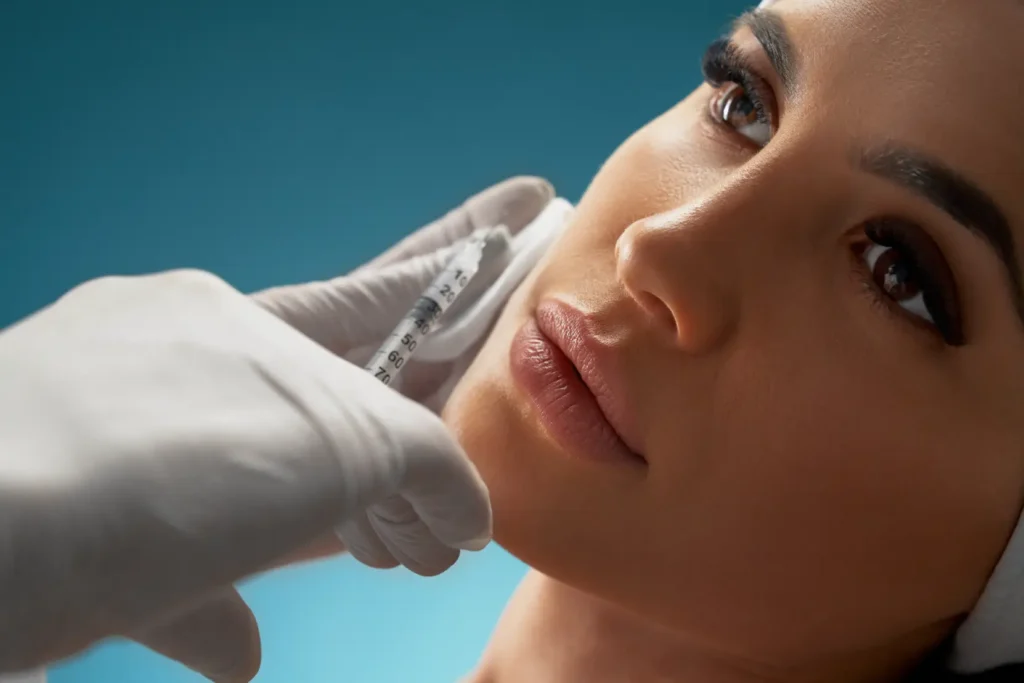
Dermal fillers may improve selected contour deficiencies along the jaw or chin. In some patients, these adjustments can create the appearance of greater definition. However, pronounced jowls and loose skin beneath the chin are different concerns. Adding filler may not adequately address them and can sometimes make the lower face appear heavier.
The underlying anatomy matters as well. Bone structure, facial fat distribution, and skin elasticity all influence how the jawline appears. Patients should be cautious about dramatic before-and-after images suggesting that filler can reproduce the results of surgery. Lighting, facial positioning, and other treatments may influence those comparisons.
A consultation can help determine whether injectable contouring is appropriate. In some cases, another treatment may offer a more suitable approach. The most effective recommendation is one that reflects your anatomy rather than a popular social media trend.
A Refreshed Look, Your Way
Looking refreshed doesn’t have to mean changing everything about your appearance. Liquid facelifts can help soften selected wrinkles, restore facial volume, and improve contours, but understanding their limitations is essential for making an informed decision.
At For A New You in Holliston, MA, patients can explore personalized injectable treatments designed around their individual features and aesthetic goals.
Book a consultation to discuss your concerns and discover whether a liquid facelift may be an appropriate option for you!