
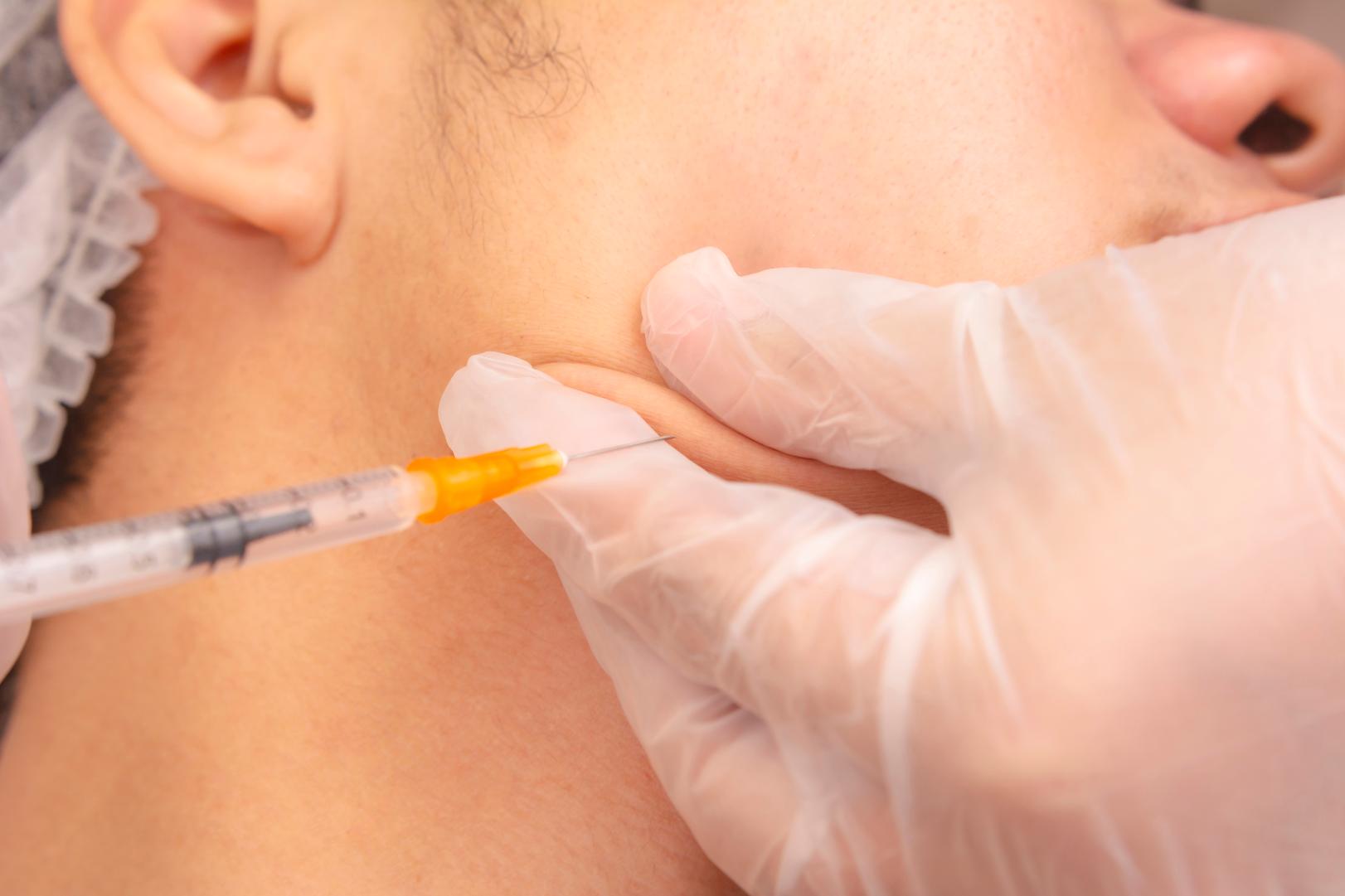
You can love your smile and still want a little more definition beneath it. When the jawline looks less distinct, many people assume loose skin is the whole story. Neck muscle activity can contribute, too.
The Nefertiti Lift targets that muscle activity to soften visible neck bands. In selected patients, it may also subtly refine the jawline. Keep reading to learn what this technique does, who may benefit, and what a sensible treatment plan looks like.
Know the Technique
The appeal is understandable: a more relaxed neck and a potentially clearer jawline without surgery. These details explain how the treatment works and help you separate realistic possibilities from a dramatic treatment name.
1. It Starts With Muscle
The platysma is a thin muscle that extends across the neck and into the lower face. When it contracts, it can create visible vertical cords called platysmal bands. Its activity can also pull downward along the jawline.
The Nefertiti approach uses botulinum toxin to reduce selected platysma activity. Botox temporarily interferes with the nerve signals that tell the treated muscle to contract. With less muscle pull, the bands can look softer and the transition between the jaw and neck may appear more defined.
This jawline Botox technique works through muscle relaxation. It doesn’t add volume or reshape the jawbone. That distinction helps explain why the same treatment can be useful for one patient and make little difference for another.
Nefertiti Lift describes a treatment approach, rather than a separate injectable product. Botox is one brand of botulinum toxin. If another product is proposed, ask which one and why. Different brands have different dosing units, so their numbers aren’t directly interchangeable.
2. Bands Respond More Reliably
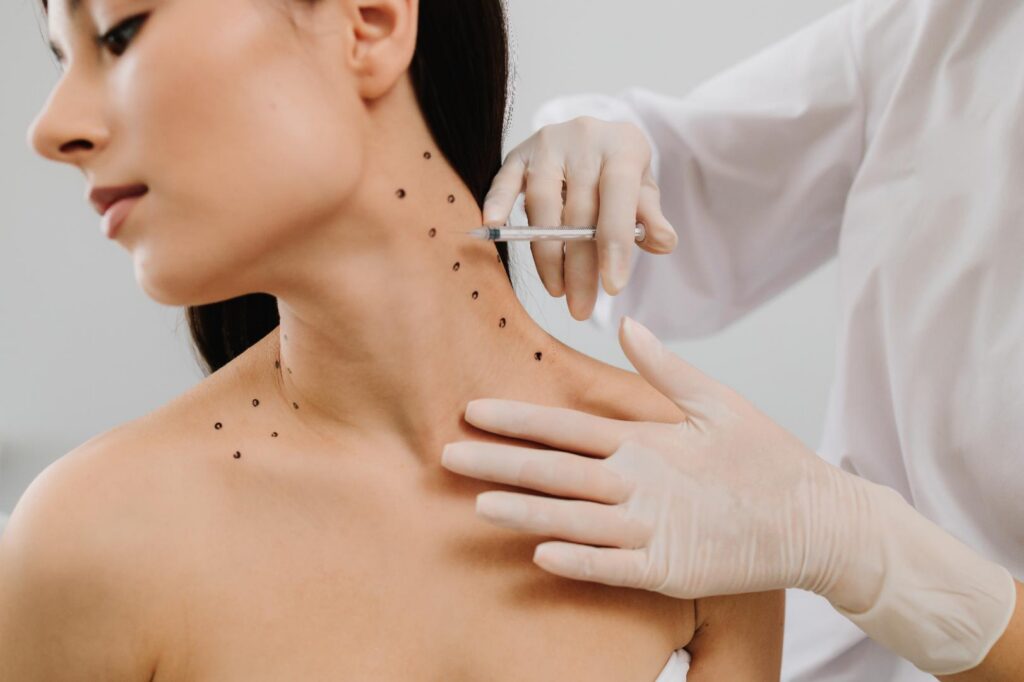
The neck bands Botox treats most directly are linked to platysma contraction. They may become especially noticeable when you tense your neck or pull the corners of your mouth downward.
Clinical studies support improvement in these bands. Research on the broader Nefertiti technique has shown less consistent improvement in jowls and jawline contour. A smoother-looking neck is a more dependable expectation than a visibly lifted lower face.
Some patients also report better jawline definition after platysma treatment. The change is usually a refinement, and the degree depends on what was blurring the jawline beforehand. It helps to identify the exact feature you want treated before discussing injections.
Research results also depend on who was treated. Major Botox neck-band trials excluded patients with substantial loose skin or under-chin fat that could interfere with assessment. Those findings help explain why a good response in a study cannot promise the same result for every neck.
A horizontal crease across the neck is different from a vertical muscle band. The same injection plan won’t necessarily improve both. Point out each concern during the consultation so your provider can explain what is likely to respond.
3. It Isn’t Jaw Slimming
Botox jawline treatments can target different muscles for different reasons. The Nefertiti technique focuses on the platysma, while jaw-slimming injections usually target enlarged masseter muscles.
The masseters are chewing muscles near the back corners of the jaw. Reducing their size in suitable patients can change lower facial width. That is a different goal from softening neck bands or reducing downward platysma pull.
A narrower lower face doesn’t automatically create the definition you want. Your provider should explain which muscle is contributing to your concern and why treating it makes sense. A popular treatment label alone doesn’t tell you what will happen to your profile.
4. Your Anatomy Sets the Goal
A non-surgical neck lift may sound appealing when you want a subtle change with limited recovery. For the Nefertiti approach, the most relevant question is whether muscle activity is a meaningful part of your concern.
Patients with visible platysma activity and reasonably firm, elastic skin may be better candidates than those with substantial loose skin. Botox doesn’t remove under-chin fat, replace lost facial volume, or reposition heavy jowls. Those concerns need their own assessment.
If you’re hoping for the effect of a surgical lower face lift, discuss that expectation openly. Surgery can address tissue descent and excess skin in ways an injectable cannot. Your provider can help you decide whether a modest change would feel worthwhile.
Age alone doesn’t settle the question. Two patients of the same age may have very different skin quality, muscle activity, and facial structure. A useful recommendation starts with your anatomy rather than a birthday.
5. The Plan Needs an Assessment
A careful consultation looks at the jaw and neck both at rest and during movement. Your provider may ask you to contract the neck muscles and make facial expressions. This helps reveal which features are driven by muscle activity.
Existing asymmetry, your smile, and previous treatments also matter. Bring details of recent Botox or other botulinum toxin injections, including when and where you received them. Your medical history and medicines belong in the conversation before any treatment decision.
The phrase Botox neck lift also deserves clarification. In the United States, Botox Cosmetic is approved to temporarily improve moderate to severe platysma bands in adults. The approved approach includes treatment below the jawline as well as the vertical bands.
A broader Nefertiti plan aimed at lifting or contouring the jaw may involve use outside that approval. This is called off-label use. Ask your provider what the proposed treatment targets, whether it is on-label, and what evidence supports the expected benefit.
6. Changes Take Time
Nefertiti Botox results develop gradually as the treated muscle activity decreases. Neck-band changes may begin within a couple of days, with a fuller assessment around two weeks. Your response may be faster, slower, or less noticeable than someone else’s.
An immediate photo won’t show the finished result. Early redness or swelling can also affect how the area looks. Plan a follow-up at the interval your provider recommends, so you can review the change after the treatment has had time to work.
The effect is temporary and generally lasts a few months. As muscle activity returns, bands may become more visible again. Maintaining improvement usually involves repeat treatment, but the schedule should reflect your response and the product’s guidance.
For Botox Cosmetic, treatment more often than every three months has not been clinically evaluated. Don’t assume an earlier appointment or additional injections will create a stronger lift. Reassessment can also show that a different approach would better address what still bothers you.
7. Recovery Is Usually Brief
Treatment typically involves several small injections after the skin has been cleaned. The injection portion is usually brief, although a thorough assessment should never feel rushed. You may feel small pinches or temporary stinging.
Many patients return to ordinary activities soon afterward. Still, redness, swelling, tenderness, or bruising can occur, so avoid treating immediately before an important event. Give yourself room for visible marks and for the result to develop.
Follow the aftercare instructions provided for your treatment. Avoid rubbing or massaging the injected areas, and ask when to resume strenuous exercise or schedule another facial procedure. Don’t stop prescribed medicines or blood thinners on your own to reduce bruising.
8. Know the Safety Details
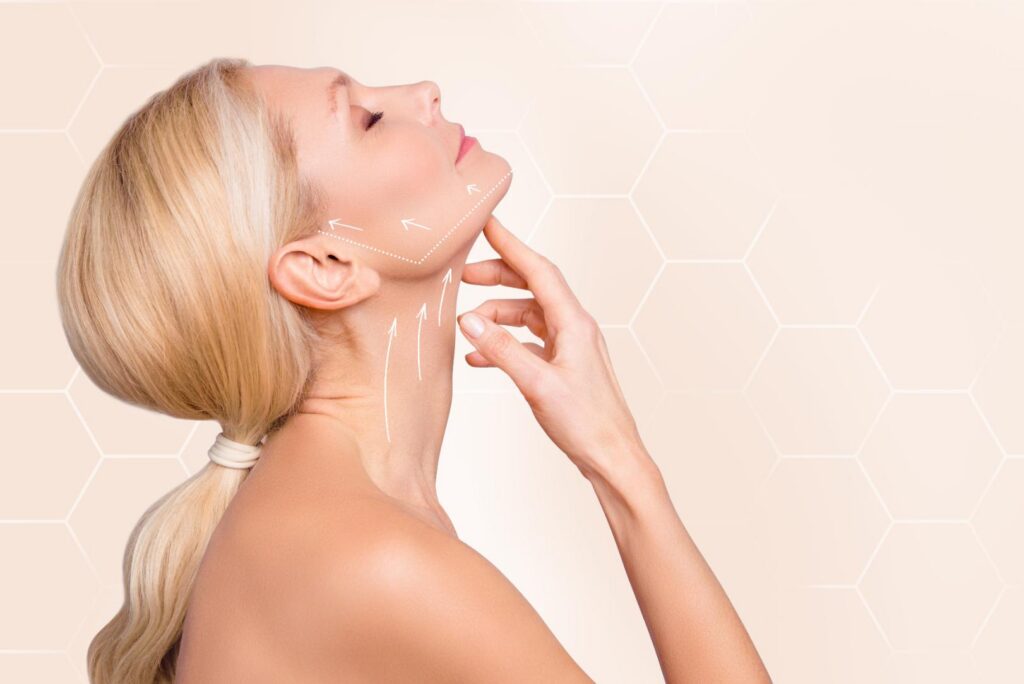
The neck requires particular care because muscle function matters as much as appearance. Unwanted effects can include neck weakness, changes in the smile, or swallowing difficulties. An experienced medical injector should explain these risks before treatment.
Tell your provider about any existing swallowing or breathing problems, muscle or nerve conditions, and prior reactions to injectable treatments. Mention all medicines and supplements, including muscle relaxants. These details can affect whether treatment is appropriate.
Botox Cosmetic should not be used with a known allergy to the product or an infection at the planned injection site. Tell your provider if you’re pregnant or breastfeeding, because adequate safety information is lacking. Elective cosmetic treatment is generally postponed during pregnancy.
Seek immediate medical help for trouble swallowing, speaking, or breathing after treatment. Serious effects can develop hours to weeks later. Don’t wait for a routine follow-up if these symptoms occur.
Talk With For A New You
If you’re exploring a Nefertiti lift in Holliston, MA, start with a consultation at For A New You. Our practice offers Botox and personalized facial assessments to help patients understand their options.
Contact us today to ask about the Nefertiti Lift and the treatment options available for your needs. Your next step can begin with clear information and realistic expectations.